English
 南非荷兰语
 契维语
 阿姆哈拉语
 阿拉伯语
 阿萨姆语
 艾马拉语
 阿塞拜疆语
 白俄罗斯语
 保加利亚语
 孟加拉语
 波斯尼亚语
 加泰罗尼亚语
 宿务语
 科西嘉语
 捷克语
 威尔士语
 丹麦语
 de
 迪维希语
 希腊语
 英语
 爱沙尼亚语
 波斯语
 芬兰语
 爱尔兰语
 瓜拉尼语
 豪萨语
 希伯来语
 苗语
 克罗地亚语
 海地语
 匈牙利语
 亚美尼亚语
 印尼语
 冰岛语
 意大利语
 日语
 格鲁吉亚语
 高棉语
 韩语
 库尔德语
 吉尔吉斯语
 拉丁语
 卢森堡语
 卢干达语
 林加拉语
 老挝语
 立陶宛语
 拉脱维亚语
 毛利语
 马其顿语
 马来语
 马耳他语
 缅甸语
 尼泊尔语
 荷兰语
 挪威语
 齐切瓦语
 波兰语
 普什图语
 葡萄牙语
 罗马尼亚语
 俄语
 卢旺达语
 信德语
 僧伽罗语
 斯洛伐克语
 斯洛文尼亚语
 萨摩亚语
 索马里语
 阿尔巴尼亚语
 塞尔维亚语
 瑞典语
 斯瓦希里语
 塔吉克语
 泰语
 提格利尼亚语
 土库曼语
 土耳其语
 乌克兰语
 越南语
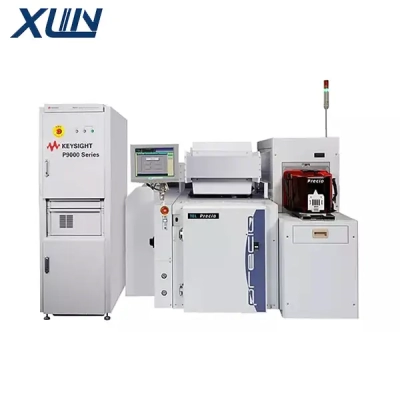
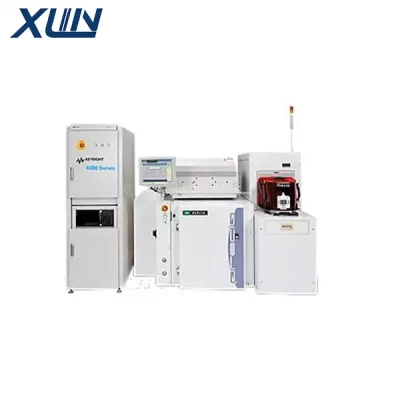
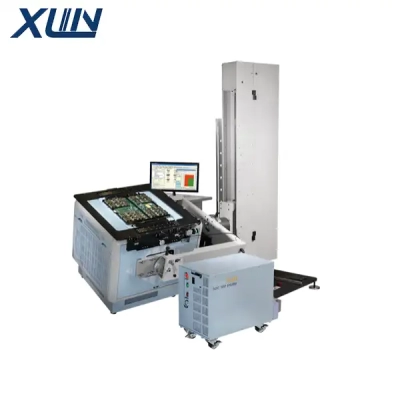
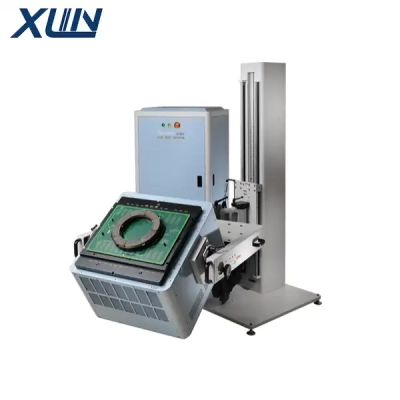
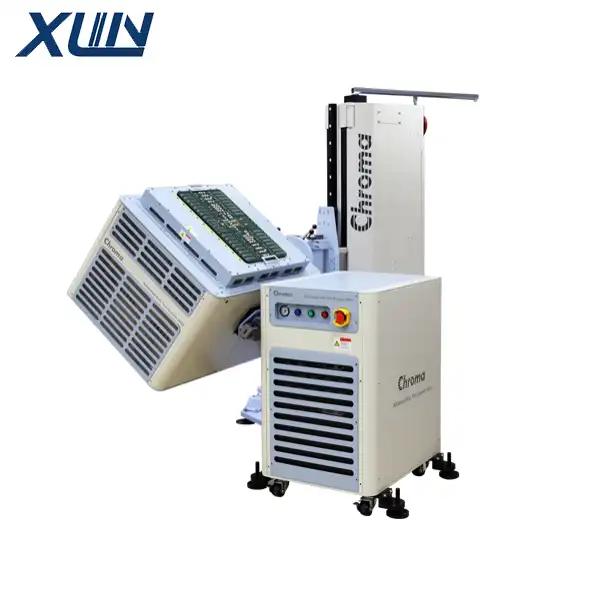
Used Chroma 3680 Advanced SoC Test System
Product Detail
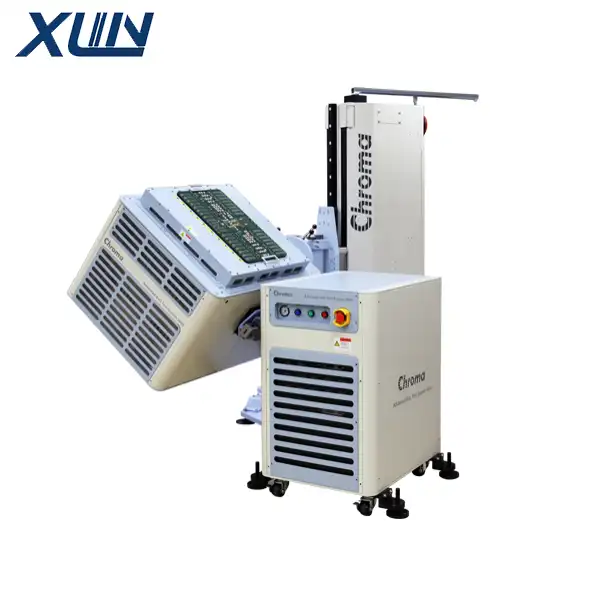 The Chroma 3680 is an advanced SoC test system from Chroma ATE. Unlike the 3380 (a VLSI mass-production tester) or the 3650 (a system-level tester) that you previously inquired about, the 3680 is positioned as a high-parallelism mass-production test platform designed for MCUs, consumer SoCs, mixed-signal devices, and RF components. Its core value proposition lies in its flexible configuration and AI-assisted test program migration capabilities.
Key Specifications: The system features 24 interchangeable slots that support a mix of digital, analog, and mixed-signal modules. It offers up to 2,048 digital channels with a data rate of 1 Gbps, supports parallel testing for up to 2,048 sites, and provides an Edge Placement Accuracy (EPA) of ±150 ps. This level of parallelism is among the highest in its class, directly contributing to cost control in mass-production testing.
Core Functionality and Expansion: The system incorporates per-pin Timing Measurement Units (TMU/PPMU) and supports up to 64 scan chains. Analog and mixed-signal options include modules for data converter testing (HDADDA2), high-voltage/automotive applications (HDVI), video and audio mixed-signal testing (HDAVO), and high-current testing (HCDPS, capable of up to 32A per channel). RF testing is handled by the HDRF2 module, which supports protocols such as Bluetooth, Wi-Fi, and NB-IoT; when paired with up/down-converters, its range can extend into the 30 GHz millimeter-wave (mmWave) band.
Intelligent Features: At SEMICON Taiwan 2025, Chroma highlighted that the 3680 integrates AI-driven software capabilities, enabling real-time test program conversion. According to the company, this can reduce both the time required for program migration and the associated labor costs by over 80%—directly addressing the common pain point of complex program porting during production line changeovers.
In short, the 3680 is a flagship platform from Chroma, leveraging a strategy of "high parallelism, modular mixed-signal configuration, and AI-assisted migration" to target the mass-production testing of advanced SoCs and edge AI chips.