English
 南非荷兰语
 契维语
 阿姆哈拉语
 阿拉伯语
 阿萨姆语
 艾马拉语
 阿塞拜疆语
 白俄罗斯语
 保加利亚语
 孟加拉语
 波斯尼亚语
 加泰罗尼亚语
 宿务语
 科西嘉语
 捷克语
 威尔士语
 丹麦语
 de
 迪维希语
 希腊语
 英语
 爱沙尼亚语
 波斯语
 芬兰语
 爱尔兰语
 瓜拉尼语
 豪萨语
 希伯来语
 苗语
 克罗地亚语
 海地语
 匈牙利语
 亚美尼亚语
 印尼语
 冰岛语
 意大利语
 日语
 格鲁吉亚语
 高棉语
 韩语
 库尔德语
 吉尔吉斯语
 拉丁语
 卢森堡语
 卢干达语
 林加拉语
 老挝语
 立陶宛语
 拉脱维亚语
 毛利语
 马其顿语
 马来语
 马耳他语
 缅甸语
 尼泊尔语
 荷兰语
 挪威语
 齐切瓦语
 波兰语
 普什图语
 葡萄牙语
 罗马尼亚语
 俄语
 卢旺达语
 信德语
 僧伽罗语
 斯洛伐克语
 斯洛文尼亚语
 萨摩亚语
 索马里语
 阿尔巴尼亚语
 塞尔维亚语
 瑞典语
 斯瓦希里语
 塔吉克语
 泰语
 提格利尼亚语
 土库曼语
 土耳其语
 乌克兰语
 越南语
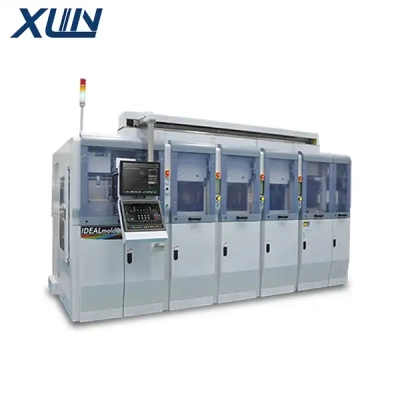
YAMAHA GTM-X MS Manual Semiconductor Encapsulation Molding System
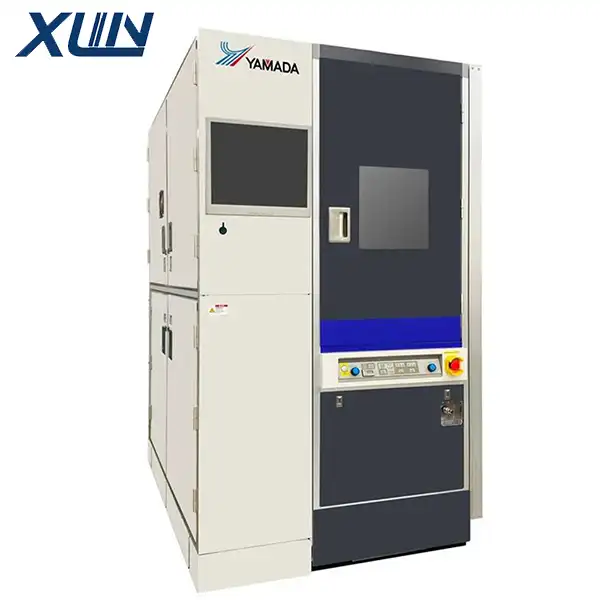
Product Detail
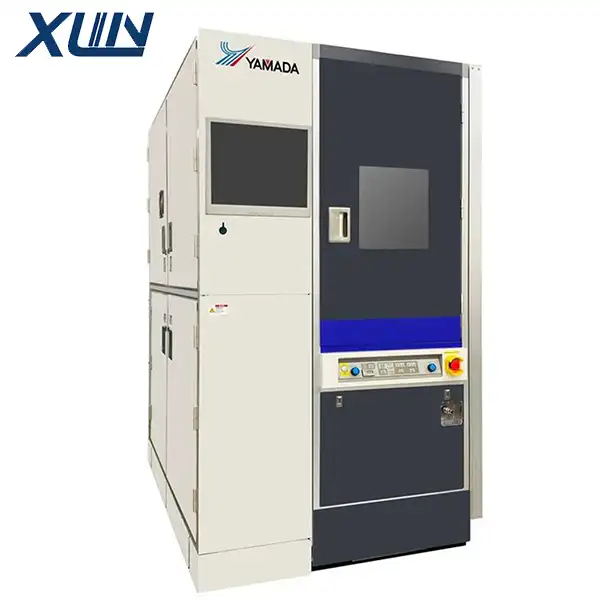 The YAMAHA GTM-X MS is a manual semiconductor encapsulation system designed with a core philosophy: "bringing the capabilities of an automated molding machine to a manual system." This ensures that prototyping and small-batch production achieve the same molding quality as full-scale automated production lines.
Core Positioning
Specifically engineered for prototyping, small-batch runs, and high-mix production, this system utilizes thermosetting resins to encapsulate semiconductor packages, general electronic components, and automotive electronics (such as IGBTs and ECUs). Because it employs the same core molding unit found in Apic Yamada’s automated systems, process parameters established during small-batch validation can be seamlessly transferred to subsequent automated mass-production lines.
Key Specifications and Capabilities
In terms of molding capacity, the GTM-X MS supports lead frames up to 100 × 300 mm and can process two frames per mold—an increase in molding area of approximately 60% compared to previous models. It offers a choice of 120-ton or 170-ton clamping force, with injection capacities ranging from 4.9–29.4 kN and 4.9–41.2 kN, respectively. Both the clamping and transfer mechanisms are driven by AC servo motors, ensuring excellent ejector control even at low speeds. This enables high-precision, stable clamping and resin injection, while eliminating the need for hydraulic oil management or cooling water.
Flexibility and Operation
The system offers exceptional process flexibility; by simply changing the mold, users can switch between methods such as transfer molding and compression molding. It features a touchscreen interface for managing product changeovers, recipe registration, and molding parameter adjustments. The system also includes data logging and external export functions, facilitating process traceability. Furthermore, it can be equipped with optional modules—such as the FAME (Flexible Advanced Molding Equipment) mechanism, bottom-mold substrate suction, vacuum units, and degassing units—to accommodate more complex encapsulation requirements.